How Efficient Commercial HVAC Systems Boost Workplace Productivity and Savings
March 26, 2026
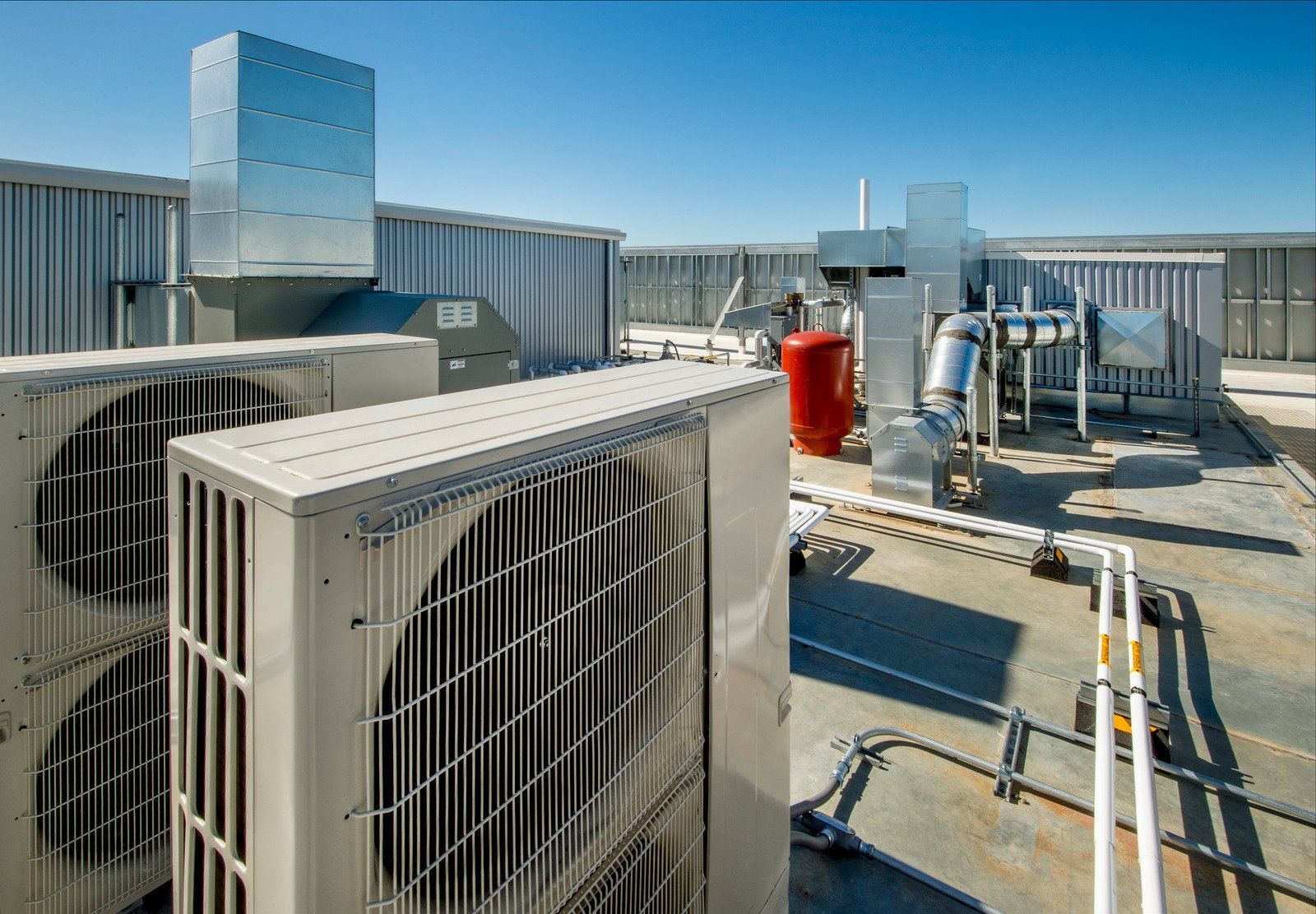
Maintaining an optimal indoor environment in commercial spaces is no longer just a matter of comfort—it is a strategic investment in employee productivity and operational efficiency. Commercial HVAC (Heating, Ventilation, and Air Conditioning) systems play a pivotal role in regulating temperature, humidity, and air quality, directly influencing how employees perform and how businesses manage operational costs. From bustling office complexes to manufacturing facilities, the demand for efficient HVAC solutions has intensified as companies recognize the link between environmental control and workforce output. A well-maintained system not only enhances comfort but also minimizes downtime, reduces energy expenses, and supports overall workplace well-being.
However, inefficient or outdated HVAC systems can undermine productivity, inflate energy bills, and even jeopardize employee health. Fluctuating temperatures, poor air circulation, and inadequate filtration can lead to fatigue, decreased focus, and higher absenteeism. Moreover, energy inefficiencies translate directly into higher operational costs, straining budgets and limiting resources that could otherwise be invested in business growth. As industries evolve and sustainability becomes a priority, understanding the role of advanced HVAC technologies is critical. Investing in modern, efficient commercial HVAC systems offers measurable benefits—from improved employee performance to significant cost savings—making them an essential component of any forward-thinking business strategy.
1. The Link Between HVAC Efficiency and Employee Productivity
Temperature Control and Cognitive Performance
Temperature is one of the most influential factors affecting workplace performance. Studies consistently demonstrate that employees working in spaces with optimal temperature settings experience higher concentration levels, faster decision-making, and fewer errors. In contrast, poorly regulated environments—either too hot or too cold—can impair cognitive function, slowing tasks and increasing the likelihood of mistakes. Efficient commercial HVAC systems provide precise temperature control across multiple zones, ensuring every area maintains a comfortable climate conducive to productivity.
Air Quality and Health Outcomes
Air quality directly impacts employee health and attendance. HVAC systems equipped with high-efficiency filters and advanced ventilation reduce exposure to allergens, dust, and airborne pathogens. Cleaner indoor air correlates with fewer sick days, reduced respiratory issues, and improved overall employee well-being. In high-density office buildings or manufacturing environments, where contaminants can accumulate quickly, efficient ventilation ensures a healthier workspace and fosters a culture of wellness, which translates into consistent performance and higher morale.
Real-World Impact
Consider a corporate office that upgrades to a state-of-the-art HVAC system with automated temperature zoning and advanced filtration. Employees report fewer headaches and better focus, while management observes a measurable reduction in absenteeism. Over time, the increased productivity offsets the initial investment, illustrating the tangible benefits of efficient climate control systems.
2. Energy Efficiency: Reducing Operational Costs
Understanding Energy Consumption
Commercial HVAC systems often account for a significant portion of a building’s total energy usage. Older or poorly maintained systems operate inefficiently, consuming more energy to maintain desired conditions. High energy consumption not only increases utility bills but also contributes to a company’s carbon footprint. Upgrading to energy-efficient systems—including variable-speed compressors, high-SEER (Seasonal Energy Efficiency Ratio) units, and smart thermostats—can dramatically lower electricity usage while maintaining optimal comfort levels.
Cost Savings Over Time
Efficient HVAC systems reduce operating costs by minimizing energy waste and prolonging equipment lifespan. For example, a large office building that replaces an outdated HVAC system with a high-efficiency model may see energy savings of 20–40% annually. These savings are not limited to electricity alone; reduced strain on equipment decreases maintenance costs and limits the frequency of repairs, translating into lower long-term expenses.
Practical Implementation
Best practices include regular system maintenance, upgrading insulation, and implementing energy management software to monitor consumption patterns. Companies that invest in energy-efficient HVAC solutions can reinvest the savings into other operational priorities, creating a cycle of continuous improvement and financial optimization.
3. Technological Advancements in Commercial HVAC
Smart Thermostats and Automation
Modern HVAC systems are increasingly integrated with smart technologies that optimize energy usage and enhance comfort. Automated thermostats allow for real-time temperature adjustments, occupancy sensing, and remote management. In commercial settings, this technology ensures that HVAC systems operate only when necessary, reducing waste and maintaining consistent indoor climates.
Zoned Heating and Cooling
Zoned HVAC systems enable tailored climate control for different areas within a building. For example, conference rooms, executive offices, and manufacturing floors can have distinct temperature and airflow settings based on usage and occupancy. This customization improves comfort while preventing energy from being wasted in unoccupied spaces.
Advanced Filtration and Ventilation
Technological improvements also focus on air purification. High-efficiency particulate air (HEPA) filters, ultraviolet germicidal irradiation (UVGI), and enhanced ventilation strategies remove contaminants, allergens, and microbes from indoor air. These solutions not only improve health outcomes but also create a workspace where employees feel safe and focused, particularly in environments where air quality concerns are prevalent.
4. Regulatory Compliance and Environmental Responsibility
Sustainability Goals
Corporate sustainability initiatives often include energy reduction and improved indoor environmental quality. Installing efficient HVAC systems aligns with these goals, supporting reduced greenhouse gas emissions and promoting environmentally responsible operations. Green building certifications, such as LEED (Leadership in Energy and Environmental Design), often require advanced HVAC technologies, providing businesses with both recognition and long-term operational benefits.
Real-World Scenario
A mid-sized manufacturing company implements an HVAC upgrade with energy recovery ventilators (ERVs) and smart control systems. Not only does the facility reduce its energy consumption by 30%, but the company also meets sustainability reporting requirements, enhancing its corporate reputation and attracting eco-conscious clients and partners.
5. Challenges and Best Practices in HVAC Optimization
Common Challenges
Despite the benefits, businesses may face obstacles when upgrading or maintaining commercial HVAC systems. These include high upfront costs, logistical challenges in retrofitting older buildings, and disruptions to operations during installation. Furthermore, inconsistent maintenance practices can negate efficiency gains and compromise system performance.
Best Practices for Success
To maximize benefits, companies should adopt a proactive approach to HVAC management:
- Regular Maintenance: Scheduled inspections, filter replacements, and system tune-ups prevent performance decline.
- Professional Assessment: Engage certified HVAC contractors to evaluate system efficiency and recommend upgrades.
- Energy Audits: Conduct audits to identify areas of energy waste and prioritize improvements.
Employee Education: Inform staff about energy-saving practices, such as adjusting thermostats appropriately.
Example of Effective Implementation
A large corporate campus implements a combination of smart thermostats, routine maintenance schedules, and employee training. The result is a measurable decrease in energy usage, reduced equipment downtime, and enhanced workplace comfort, demonstrating that efficiency is achievable through a holistic approach.
6. Maximizing ROI Through HVAC Efficiency
Calculating Return on Investment
Investing in high-efficiency HVAC systems provides measurable returns over time. Beyond energy cost reductions, improvements in employee productivity, reduced absenteeism, and decreased equipment repairs contribute to overall financial gains. When evaluating ROI, businesses should consider both tangible and intangible benefits, including morale, retention, and brand reputation.
Leveraging Incentives and Rebates
Government programs and utility companies often provide incentives for businesses to invest in energy-efficient HVAC equipment. These incentives can significantly reduce initial investment costs and shorten the payback period. By taking advantage of rebates, tax credits, and financing options, companies can implement cutting-edge HVAC solutions with minimized financial burden.
Real-World Case Study
A regional office upgrades to a variable-speed HVAC system with advanced filtration and zoning capabilities. Within the first year, the company reports 25% lower energy bills, fewer sick days among employees, and reduced maintenance costs. These improvements illustrate how strategic HVAC investments can deliver both operational efficiency and enhanced workplace productivity.
Trusted HVAC Solutions Elevating Your Business Efficiency
Selecting the right HVAC solutions requires both technical knowledge and local expertise. Businesses that collaborate with experienced professionals benefit from tailored system designs, seamless installations, and ongoing support. This level of expertise ensures that commercial HVAC systems operate at peak efficiency, delivering consistent comfort, reliable performance, and long-term savings.
Efficient commercial HVAC systems are more than a facility amenity—they are a strategic investment in workplace productivity, employee health, and operational savings. By optimizing temperature control, improving air quality, and reducing energy consumption, modern HVAC solutions directly influence business performance and cost management. Incorporating advanced technologies, maintaining systems regularly, and adhering to industry standards not only enhance comfort but also ensure long-term financial and environmental benefits. Companies that prioritize HVAC efficiency can expect measurable improvements in employee focus, morale, and attendance, alongside lower energy bills and minimized maintenance costs.
At Day's Heating & Air LLC, we bring over 27 years of experience in delivering reliable HVAC solutions for commercial spaces in Cleveland, Tennessee. As a trusted HVAC contractor, our team combines technical expertise with a commitment to client success, offering customized solutions that enhance indoor comfort, optimize energy usage, and support workplace productivity. Partnering with us ensures your business benefits from efficient, high-performance HVAC systems and sustainable savings.