The Hidden Dangers of Poor Indoor Air Quality—and How to Fix Them
April 22, 2026
Indoor environments are often assumed to be safe, yet the air inside enclosed spaces can be significantly more polluted than outdoor air. Poor indoor air quality has become a growing concern across homes, offices, and commercial buildings due to rising insulation standards, reduced ventilation, and increased use of synthetic materials. Invisible pollutants such as dust mites, volatile organic compounds, mold spores, and combustion particles accumulate silently, creating long-term health risks that often go unnoticed until symptoms become severe.
Understanding indoor air quality is essential because modern lifestyles involve spending nearly 90% of time indoors. This makes exposure to contaminated air a continuous issue rather than an occasional risk. Headaches, fatigue, respiratory irritation, and reduced productivity are commonly linked to unbalanced indoor air conditions. Over time, these issues can escalate into chronic respiratory disorders or aggravated allergies, especially in sensitive individuals.
The importance of addressing indoor air quality lies in prevention rather than reaction. A structured approach involving proper ventilation, filtration, humidity control, and regular maintenance can significantly reduce harmful pollutants. By identifying hidden threats and implementing corrective strategies, indoor environments can be transformed into healthier, safer, and more comfortable spaces for long-term well-being.
1. Understanding the Invisible Threats in Indoor Air
Understanding invisible threats in indoor air involves recognizing that many contaminants are present even when they cannot be seen with the naked eye. These pollutants continuously accumulate in enclosed environments and negatively affect overall indoor air quality over time. Awareness of these hidden elements helps improve health outcomes, supports better ventilation decisions, and encourages proactive measures for maintaining cleaner, safer indoor living conditions and improved overall comfort levels.
Common Indoor Pollutants
Indoor air often contains a mixture of pollutants that are not immediately visible to occupants. These include particulate matter, carbon monoxide, nitrogen dioxide, volatile organic compounds (VOCs), pet dander, dust, and biological contaminants such as mold spores and bacteria. Each of these elements affects air purity in different ways and often combines with others to create compounded health risks within indoor environments.
Real-World Impact
Extended exposure to poor indoor air quality leads to symptoms such as persistent coughing, eye irritation, sinus congestion, headaches, and reduced cognitive performance. In many cases, individuals mistakenly attribute these signs to seasonal allergies, stress, or fatigue, which delays proper diagnosis and correction of the root cause. This often results in prolonged discomfort and the unnoticed worsening of indoor air quality over extended periods of time.
2. Health Risks Associated with Poor Indoor Air Quality
Respiratory Conditions
Continuous exposure to airborne irritants directly affects the respiratory system and long-term lung function. Conditions such as asthma, bronchitis, and chronic obstructive pulmonary disease can significantly worsen in polluted indoor environments. Fine particulate matter penetrates deep into lung tissue, triggering inflammation, irritation, and reduced oxygen intake efficiency, which leads to breathing difficulties, especially among children, elderly individuals, and those with pre-existing conditions.
Long-Term Chronic Effects
Over time, exposure to harmful indoor pollutants may contribute to cardiovascular strain, immune system suppression, and reduced overall physiological resilience. Multiple studies have linked prolonged exposure to VOCs, chemical emissions, and combustion byproducts with an increased risk of long-term health complications. These effects are especially concerning for vulnerable groups such as children, elderly individuals, and people with weakened immune systems.
Cognitive and Productivity Decline
Poor indoor air quality does not only affect physical health but also impacts mental performance and cognitive clarity. Reduced oxygen flow and elevated carbon dioxide levels can impair concentration, decision-making ability, and mental alertness. In office and study environments, this often results in reduced productivity, slower task completion, increased fatigue, and decreased overall mental efficiency among occupants.
3. Role of Ventilation and Air Circulation
Importance of Fresh Air Exchange
Effective ventilation is one of the most critical factors in maintaining healthy indoor air quality. Without proper air exchange, pollutants accumulate rapidly and become concentrated within enclosed spaces. Introducing fresh outdoor air helps dilute contaminants, balance oxygen levels, and restore healthy indoor conditions, ensuring safer and more breathable environments for occupants over time.
Natural vs Mechanical Ventilation
Natural ventilation relies on windows, doors, and passive airflow patterns, but this method is often insufficient in modern tightly sealed buildings. Mechanical ventilation systems, including HVAC units, provide controlled airflow, filtration, and consistent air exchange. These systems ensure stable indoor air quality regardless of external environmental conditions, especially in areas where outdoor air may also be polluted.
Common Ventilation Mistakes
Many indoor spaces suffer from blocked vents, poorly maintained ductwork, or outdated HVAC configurations that limit airflow efficiency. These issues restrict proper air circulation and allow pollutants to stagnate and accumulate. Regular inspection, cleaning, and system balancing are essential to maintain effective ventilation and prevent long-term contamination buildup within indoor environments.
4. Filtration and Air Purification Strategies
Air Purifiers and Supplemental Systems
Standalone air purifiers are highly effective in targeted areas where pollutant concentrations are higher than normal. These devices help reduce allergens, smoke particles, odors, and airborne irritants, especially in bedrooms, living rooms, and other high-traffic areas where consistent ventilation may not always be sufficient or evenly distributed.
Maintenance and Replacement Cycles
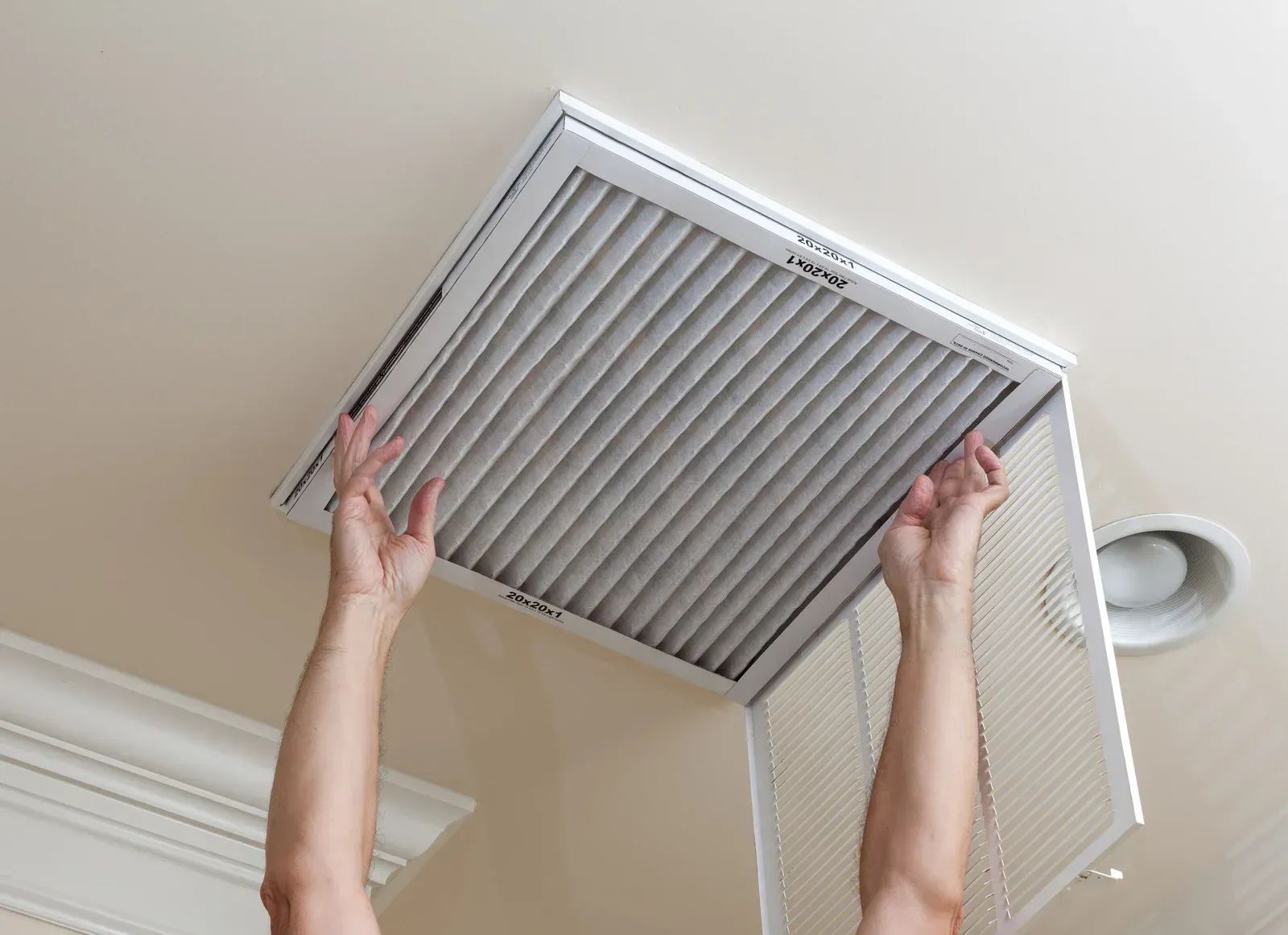
Even the most advanced filtration systems gradually lose effectiveness without proper maintenance and timely servicing. Filters must be replaced or cleaned regularly to ensure optimal performance and continued air quality improvement. Neglected systems may become inefficient and, in some cases, may even contribute to pollutant circulation rather than reducing it.
Practical Application Example
In homes with pets, high dust levels, or frequent indoor occupancy, combining HVAC filtration systems with portable air purifiers creates a layered protection strategy. This integrated approach significantly reduces allergen exposure, improves breathing comfort, and ensures more consistent indoor air quality across different living spaces.
5. Moisture Control and Mold Prevention
Relationship Between Humidity and Air Quality
Excess humidity creates ideal conditions for mold growth, bacterial development, and dust mite proliferation. On the other hand, excessively dry air can irritate respiratory passages and skin. Maintaining balanced humidity levels is essential for ensuring healthy indoor environments and supporting overall respiratory comfort and wellbeing.
Mold Growth Risks
Mold thrives in damp, poorly ventilated areas such as basements, bathrooms, kitchens, and behind walls. Once established, mold releases microscopic spores into the air, which can contribute to allergies, respiratory distress, and long-term structural damage. These risks increase significantly when moisture control systems are inadequate or neglected.
Prevention Techniques
Dehumidifiers, proper insulation, ventilation improvements, and timely leak repairs are essential for controlling indoor moisture levels. Regular inspection of plumbing systems, roofing structures, and hidden water-prone areas helps prevent unnoticed water accumulation that can lead to mold growth and long-term indoor contamination issues.
Importance of Early Detection
Addressing moisture-related issues at an early stage prevents widespread mold infestation and structural damage. Once mold spreads through ventilation systems or wall cavities, remediation becomes significantly more complex, time-consuming, and costly, often requiring professional intervention and extensive restoration efforts.
6. HVAC System Optimization for Cleaner Air
HVAC System Efficiency and Air Quality
An efficient HVAC system does more than regulate temperature—it plays a direct and critical role in maintaining indoor air quality. Poorly maintained systems can circulate dust, bacteria, allergens, and stale air throughout indoor environments, leading to reduced comfort and potential health concerns over time.
Routine Inspection and Cleaning
Regular duct cleaning, coil maintenance, and timely filter replacement are essential for ensuring HVAC systems operate at peak efficiency. Neglecting these maintenance tasks can lead to restricted airflow, increased pollutant buildup, and reduced overall system performance, negatively affecting indoor air quality.
Smart Temperature and Airflow Control
Modern HVAC systems allow precise control over temperature, humidity, and airflow distribution throughout indoor spaces. Proper configuration ensures balanced air circulation, reduces stagnant air zones, and minimizes areas where pollutants tend to accumulate, resulting in a healthier indoor environment overall.
Energy and Health Benefits
Optimized HVAC systems not only improve indoor air quality but also significantly reduce energy consumption. Cleaner airflow reduces strain on mechanical components, extends system lifespan, and enhances overall operational efficiency, contributing to both improved health conditions and long-term cost savings.
Reliable Indoor Air Improvements From HVAC Specialists
Poor indoor air quality presents hidden but significant risks that impact health, comfort, and long-term well-being. From invisible pollutants and moisture imbalance to inadequate ventilation and inefficient filtration, multiple factors contribute to degraded indoor environments. Addressing these issues requires a structured approach that combines proper airflow management, advanced filtration, humidity control, and consistent system maintenance. Cleaner air supports stronger respiratory health, improved focus, and enhanced daily comfort, making proactive intervention essential rather than optional.
A well-maintained indoor environment is a result of technical precision and consistent care. Air systems must function efficiently to ensure balanced circulation and contaminant control across every space.
Day's Heating & Air LLC
serves as a trusted authority in HVAC solutions with over 27
years of industry experience in Cleveland, Tennessee. Focus remains on delivering reliable heating and cooling systems designed to improve indoor air quality and overall comfort. Expertise in system optimization, maintenance, and air purification strategies ensures environments remain healthier and more efficient. Commitment to precision-driven service supports long-term performance, energy efficiency, and consistent indoor air improvement for residential and commercial spaces.