AC Quit on the Hottest Day? Quick Checks Before You Call for Emergency Service
October 16, 2026
QUICK ANSWER: When your AC stops on the hottest day, run five safe checks before calling: confirm the thermostat is set to cool with fresh batteries, look at the breaker and the outdoor disconnect, replace a clogged filter, check for a tripped condensate float switch, and make sure the outdoor unit is not buried in debris or iced over. Those checks take about ten minutes and catch the small problems that mimic a failure. If the system still will not run, hums without starting, trips the breaker again, or you smell burning, shut it off and call for emergency service. Do not keep resetting it.
It is four in the afternoon in July, the porch thermometer is reading in the high nineties, and the humidity in the Tennessee Valley is thick enough that the air feels wet. The house was fine at lunch. Now the thermostat says 82 and climbing, the vents are blowing air that feels barely cooler than the room, or nothing is blowing at all. You can hear the refrigerator and the ceiling fan, but the one sound you want, the outdoor unit kicking on, is missing.
The instinct is to pick up the phone right away, and sometimes that is exactly the right move. Other times the system is stopped by something small that you can see and fix in a few minutes without a single tool. After years of answering no cool calls across Cleveland, Chattanooga, and the communities around them, we can tell you that a real share of them come down to a setting, a switch, or a filter. This guide walks you through the checks in the order a technician would run them, and it tells you plainly where to stop so you do not make a bad day worse.
Start With Safety Before You Touch Anything
Before you check a single thing, take thirty seconds to look around. The goal is to separate a nuisance from a hazard.
Look And Smell First
If you smell burning plastic, hot metal, or electrical odors near HVAC equipment, turn the thermostat off and call a technician immediately.
Listen For The Sounds That Matter
Persistent humming, loud buzzing, repeated clicking, or startup bangs can signal struggling components. Stop repeated startup attempts and arrange professional inspection promptly.
Keep Your Hands Dry And Your Feet Off Wet Ground
Never touch breakers with wet hands or while standing on wet ground. Avoid electrical equipment near water and wait for professional help.
If none of that applies, you are clear to move on to the checks.
Check One: The Thermostat
It sounds too simple to matter, and it accounts for more service calls than most homeowners would guess.
Confirm The Mode And The Setpoint
Set the thermostat to cool and choose a temperature several degrees below the room temperature. Incorrect modes or settings can prevent cooling.
Check The Display And The Batteries
A blank or dim display may indicate dead batteries. Replace them, allow restarting, and check smart thermostat power, schedules, and away settings.
Listen For The Click
Lower the setpoint and listen for startup. Some systems respond within a minute, but allow five minutes for compressor protection delays.
TIP: If the thermostat screen is blank even after fresh batteries, note that when you call. A dead thermostat on a wired system can point to a blown low voltage fuse or a tripped safety switch, and telling the technician up front saves time on arrival.
Check Two: The Breakers and the Outdoor Disconnect
Your air conditioner runs on two separate electrical supplies, one for the outdoor condenser and one for the indoor air handler or furnace. Either one can drop out and leave you with warm air.
Open The Main Panel
Check for a tripped AC breaker positioned midway or off. Switch it fully off, then back on once, if there are no warning signs.
Find The Outdoor Disconnect
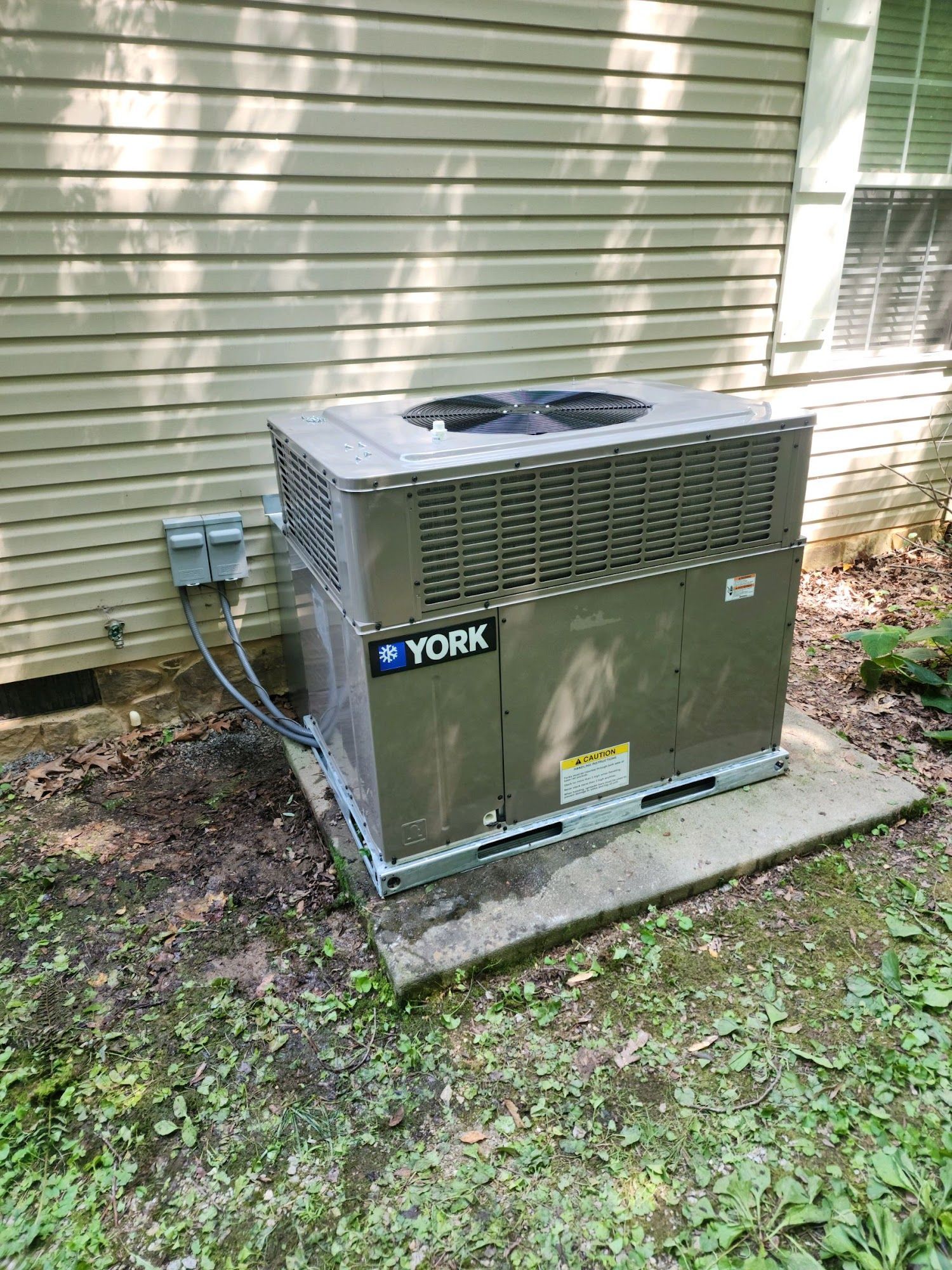
Locate the gray disconnect box near the condenser. Check whether its pullout block or switch is fully seated and switched on.
One Reset Only
A breaker trips for a reason. If it trips again after resetting, stop and call a technician to prevent overheating or equipment damage.
Check Three: The Air Filter
A filter does not usually stop a system cold, but a badly clogged one can starve the coil of air and set off a chain of problems, including a frozen coil and a safety shutdown.
Check The Filter
Hold the filter against light. If little light passes through or it resembles gray felt, replace it, especially during pollen-heavy seasons.
Replace It With The Correct Size
Match the size printed on the filter frame. Install it with the arrow pointing toward the blower, following the airflow direction.
Look At The Coil If You Can See It
Check visible copper lines and indoor coils for frost or ice. Turn cooling off, leave the fan running, and allow everything to thaw.
Check Four: The Condensate Line and Float Switch
In humid weather your AC pulls gallons of water out of the air every day, and that water has to go somewhere. It collects in a pan and drains through a pipe. When algae, slime, or debris clogs that line, a small float switch in the pan or on the drain shuts the system down to prevent a water leak into your ceiling or closet.
Look For Standing Water
Inspect the indoor drain pan or secondary pan for standing water. Water around the unit often indicates a blocked drain line and triggered float switch.
Do Not Bypass The Switch
Never jumper or disable the float switch to restart cooling. This safety device prevents clogged drains from causing ceiling leaks and expensive water damage.
Know What You Can Safely Do
Clear accessible blockages at the outdoor drain outlet if safe. Leave unit disassembly, unfamiliar drain cleaners, and electrical work to qualified technicians.
Check Five: The Outdoor Unit
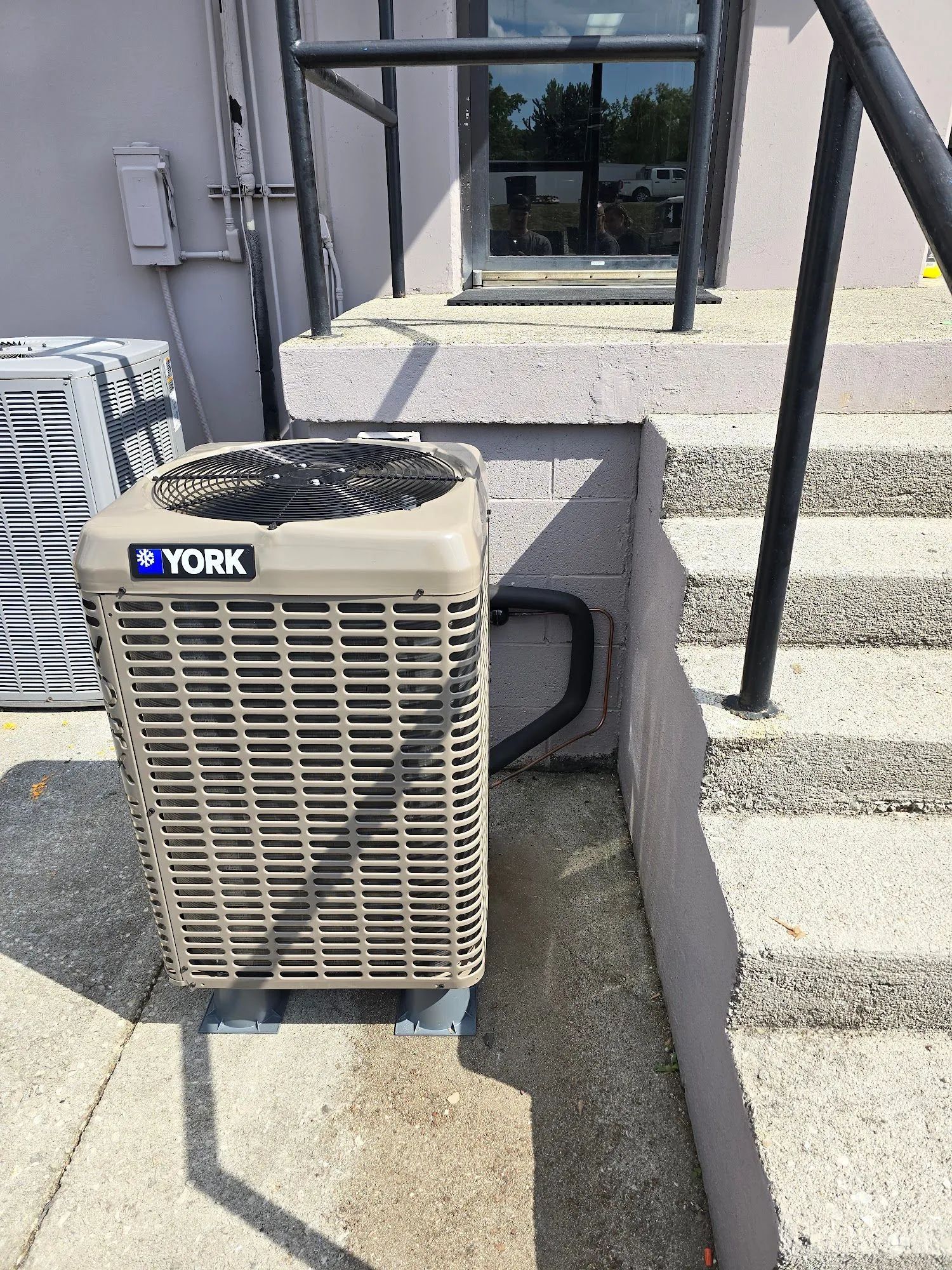
Walk outside and take a careful look at the condenser. It has one job, which is to push heat out of your house, and it can only do that if air moves freely through it.
Clear The Surroundings
Remove leaves, grass clippings, branches, and equipment blocking airflow. Maintain at least two feet of clearance around every side of the outdoor cabinet.
Look At The Fins
Check for cottonwood fluff, lint, or mud blocking the coil. With power disconnected, gently rinse from inside outward using a low-pressure garden hose.
Check The Fan
With power off, inspect for visible damage. A stationary or struggling fan may indicate motor or capacitor failure requiring professional repair.
WARNING: Never open the access panels on the outdoor unit or the air handler to look for the problem yourself. The capacitors inside can hold a dangerous electrical charge even after the power is switched off, and the contactor and wiring are live whenever the disconnect is on. Everything on this list can be done from outside the cabinet.
What the Symptoms Tell a Technician
Even when your checks do not fix the problem, what you saw helps narrow the cause fast. Here is how the common patterns usually break down.
Nothing At All, No Fan, No Hum
Complete silence may indicate power problems, a safety switch, thermostat failure, or a faulty control board requiring electrical diagnosis.
Indoor Fan Runs, Outdoor Unit Silent
The indoor unit has power, but the condenser remains inactive. Possible causes include a tripped disconnect, failed contactor, or defective capacitor.
Outdoor Unit Hums But The Fan And Compressor Do Not Start
Humming without startup may indicate a failed capacitor or struggling compressor. Switch the system off to prevent overheating and further damage.
Everything Runs But The Air Is Warm
Warm airflow despite operation may indicate refrigerant leaks, dirty or frozen coils, or compressor problems requiring professional diagnosis and repair.
Cool At First, Then Warm
Cooling that stops after several minutes may indicate safety shutdowns triggered by float switches, high-pressure switches, or compressor overheating.
When to Stop and Call for Emergency Service
The list is meant to help you rule out the simple stuff. It is not meant to keep you troubleshooting while a house with kids, older relatives, or pets heats up. Call for emergency service if any of these are true.
The Breaker Trips More Than Once
Repeated breaker trips indicate excessive electrical draw or a potential fault. Stop resetting the breaker and arrange professional inspection promptly.
You Hear Humming, Buzzing, Or Clicking Without Starting
Unusual humming, buzzing, or clicking without startup may indicate electrical or mechanical failure. Repeated startup attempts can worsen damage and increase repair costs.
You Smell Burning Or See Smoke, Sparks, Or Scorched Wiring
Shut off the system if safe, turn off its breaker, and call for emergency service immediately. Never ignore burning smells or visible electrical damage.
There Is Ice On The Lines Or Coil That Returns After You Thaw It
Recurring ice buildup indicates airflow restrictions or refrigerant problems that filter replacement alone cannot resolve. Arrange professional diagnosis to prevent further system damage.
The House Is Unsafe To Stay In
Indoor temperatures reaching the nineties can threaten infants, older adults, and people with heart or breathing conditions. Seek urgent cooling assistance rather than waiting.
In the meantime, close the blinds on sunny windows, run ceiling fans, turn off heat producing appliances like the oven, and move everyone to the coolest part of the house, usually the lowest floor. Drink water often, and if anyone shows signs of heat illness such as confusion, a rapid pulse, or no sweating, treat it as a medical emergency.
What a Technician Does When They Arrive
Knowing what happens next takes some of the stress out of the call. A good technician starts with the same questions you just answered, what you checked, what you saw, and what you heard. Then they work down the system.
Verify Power And Controls
Technicians check voltage at the disconnect and unit, test thermostat signals, and inspect safety switches to identify electrical or control problems.
Test The Electrical Components
Technicians use meters to test capacitors, contactors, and motors, identifying hidden electrical failures that visual inspections alone cannot reliably detect.
Measure Refrigerant Pressures And Temperatures
Operating pressures and temperatures help technicians determine whether cooling problems stem from low refrigerant, dirty coils, or compressor issues.
Explain The Options
A reliable technician explains the failure, repair costs, and equipment condition clearly, helping you decide without pressure or unnecessary expenses.
Is it safe to mount a TV over a fireplace?
Yes, with the right precautions. Heat off the firebox, wall structure, and viewing angle all need checking first. A gas or electric unit with managed heat can run for years. Wood-burning fireplaces with no heat plan cause trouble.
How far above the fireplace should the TV be mounted?
A common range is 8 to 12 inches between mantel top and screen bottom, though it shifts with your fireplace and wall height. The hotter the unit, the more clearance you want, keeping the screen above rising heat.
Can the heat from my fireplace really damage a TV?
It can, usually slowly. Most sets are rated up to 100-104 degrees, and unmanaged fireplace walls can climb past that. Over time this shows as dead pixels, a warped bezel, or shutdowns. Managing heat prevents it.
Do I need a special mount for a TV over a fireplace?
Most of the time, yes. A fixed mount aims the screen over your head. A tilting mount angles down toward viewers; full-motion arms pull out and down. The right choice depends on screen size and wall height.
Can I hide the wires if my fireplace is brick or stone?
It's harder than drywall but doable. Masonry rarely has an open cavity, so the path must be planned before mounting. Options range from in-wall routing to low-profile surface channels. Mapping the route first avoids disruptive retrofits.
Should the TV be bigger or smaller than the fireplace?
As a rule, match the firebox width or go slightly smaller, keeping the wall balanced. Oversized panels over narrow hearths are common now, but proportion makes the wall read as one clean focal point, not competing elements.
Frequently Asked Questions
How long should I wait after resetting the thermostat before the AC kicks on?
Give it about five minutes. A built in delay protects the compressor from restarting too quickly. If nothing happens, check the breaker and the outdoor disconnect.
Is it safe to reset the breaker more than once?
No. One reset is reasonable after a brief surge. If it trips again, there is an overload or short, and repeated resets risk overheated wiring or a damaged compressor.
Why is my AC running but the air coming out feels warm?
Common causes include a frozen coil, dirty filter, low refrigerant, or a condenser that cannot shed heat. Let ice melt, replace the filter, and clear debris, then call a technician.
Can a dirty air filter really shut my AC down?
A badly clogged filter restricts airflow, which can freeze the indoor coil and trigger a safety shutdown. It is rarely the top cause, but it is easy to check.
My outdoor unit is humming but the fan is not spinning. What should I do?
Turn the system off at the thermostat and breaker. That sound usually means a failed capacitor or stuck motor. Call for service and avoid touching the fan or opening the unit.
What should I do while I wait for emergency service?
Close curtains on sunny windows, run fans, avoid the oven, and stay hydrated. Move to the coolest room, and tell the dispatcher if someone vulnerable is at home.
Ruling Out the Small Things Before Panic
A dead air conditioner on a scorching afternoon feels like an emergency, and sometimes it is. The five checks give a fast, safe way to learn whether a small interruption or a real failure is behind it. Settings, breakers, filters, drain lines, and debris around the condenser account for many no cool calls, and none require opening a panel. When those checks come up empty, or a burning smell or humming unit says stop, shutting things down is the wisest move.
Day's Heating & Air LLC
has served homes in Cleveland, TN for 27+ years, and that time has shown how East Tennessee heat, humidity, and pollen strain cooling systems. Every visit starts by listening to what the homeowner saw and tested, then the electrical side gets checked before anything is replaced. Families get a clear explanation of what failed, a fair repair option, and a house that cools down again without guesswork or pressure.