What Is Actually Included in a Professional HVAC Maintenance Plan and Why It Matters
June 22, 2026
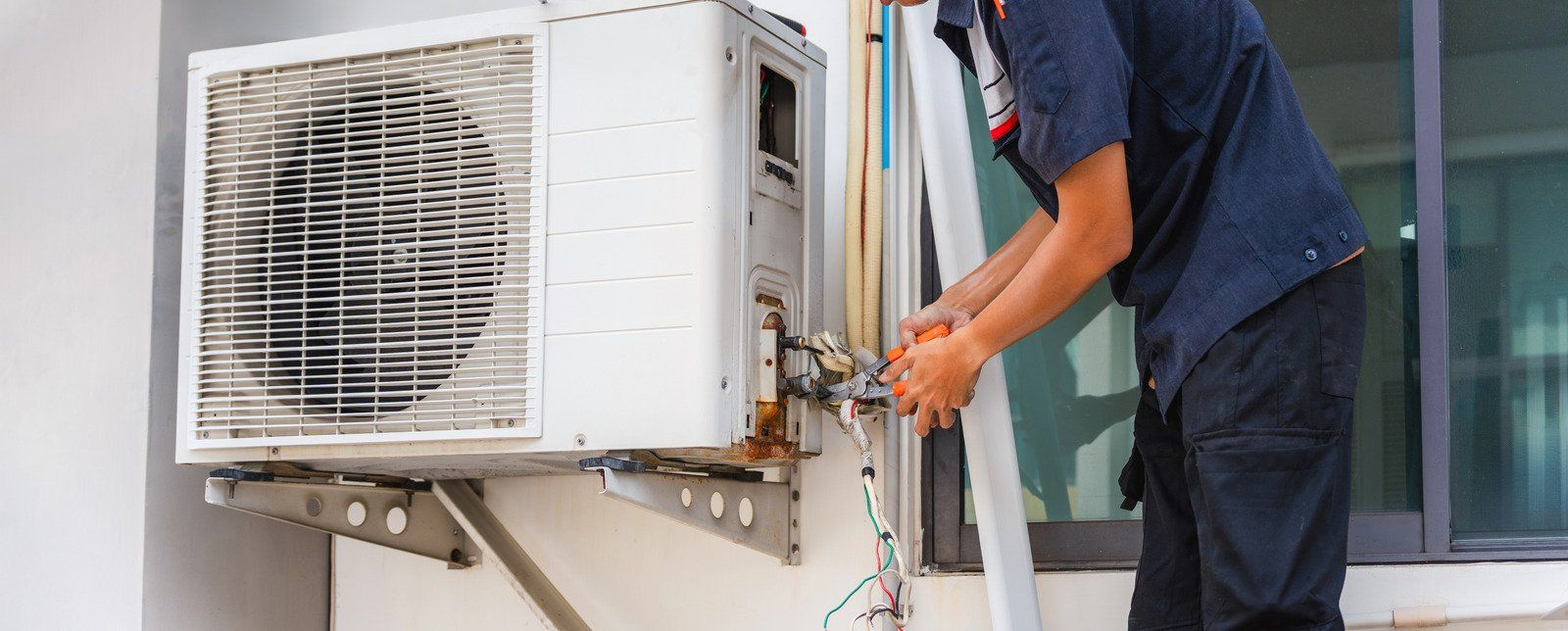
Your system ran fine all winter, and now that summer heat is rolling into the Tennessee Valley, you flip the switch to cooling mode and something feels off. The airflow is weak, the house takes longer to cool than it should, and the unit is cycling more than you remember. Nine times out of ten, this is not a sudden failure. It is the result of deferred maintenance catching up all at once. After 27
years of working on heating and cooling systems across the region, we can tell you that most of the breakdowns we respond to in July and August were preventable. A professional maintenance plan is not a sales upsell. It is the single most reliable way to keep a system performing the way it was designed to.
What You Should Do Right Now If Your System Is Struggling
If your HVAC system is underperforming before your next scheduled maintenance visit, take these steps immediately.
- Check your air filter. A clogged filter is responsible for more service calls than any other single cause. If it has been more than 60 days since you changed it, swap it out before doing anything else.
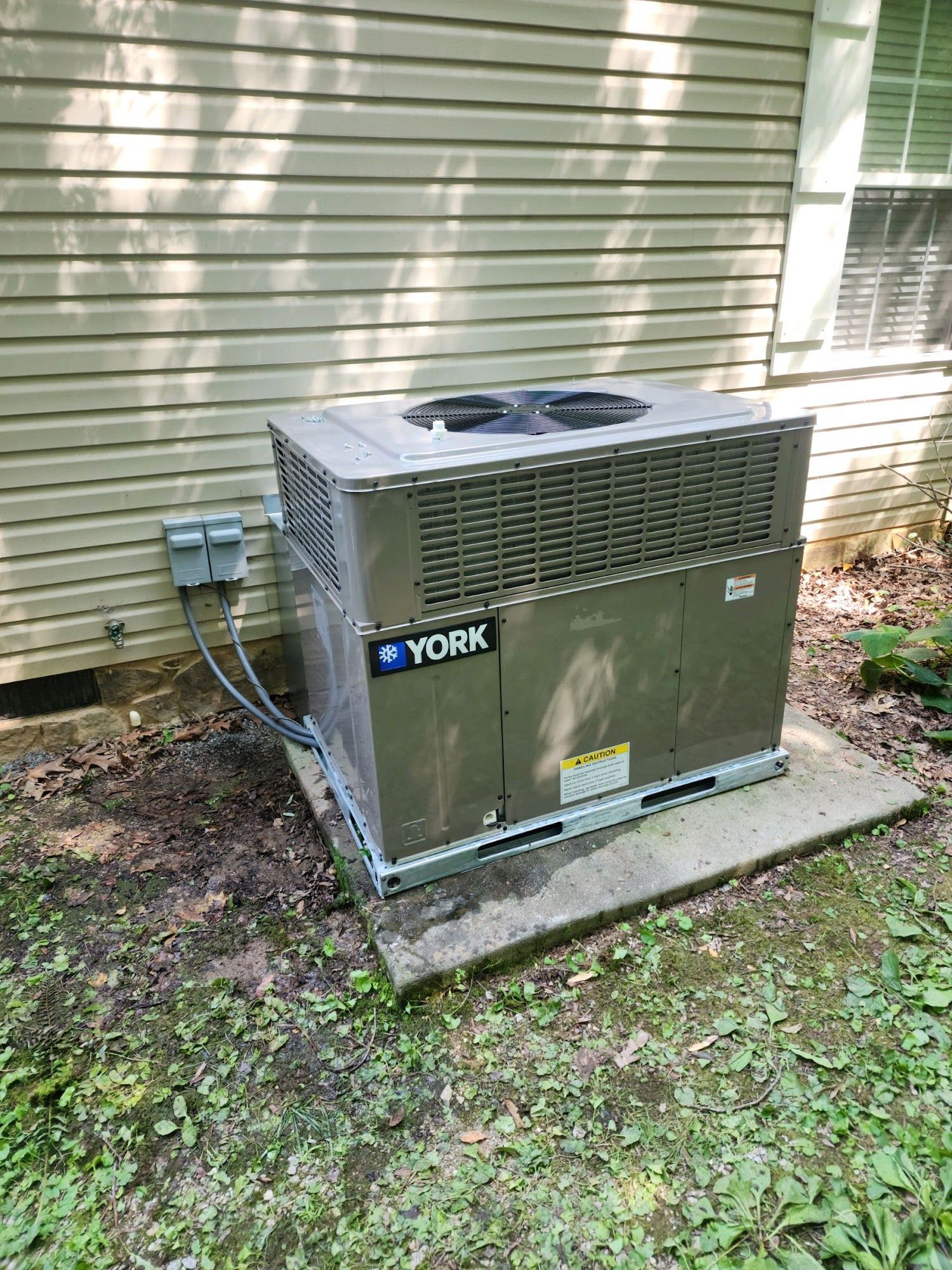
- Clear the area around your outdoor condenser unit. Vegetation, debris, and grass clippings can restrict airflow enough to cause the system to run long cycles without reaching your set temperature.
- Confirm that all supply and return vents inside the home are open and unobstructed. Furniture placed over returns is a common and underestimated airflow problem.
- Set the thermostat to auto fan mode rather than the "on" position. Running the fan continuously without a cooling cycle causes moisture to re-evaporate off the coil and raises indoor humidity.
TIP: Before calling for service, locate your indoor air handler and check whether the drain line access port has standing water near it. A clogged condensate drain is one of the most common causes of system shutdowns and is often something you can clear with a wet-dry vacuum before a technician visit is needed.
WARNING: If you hear a grinding or screeching noise coming from either the indoor or outdoor unit, shut the system off immediately at the thermostat and breaker. Running the system with a failing blower motor or seized compressor bearing can cause irreversible mechanical damage within minutes.
What a Maintenance Plan Actually Covers and Why Each Item Exists
A professional HVAC maintenance plan is not a visual inspection and a filter swap. When we run a maintenance call on a system in Cleveland, Tennessee, we are working through a structured diagnostic checklist that covers electrical, mechanical, refrigerant, airflow, and controls components. Every item on that list corresponds to a specific failure mode that shows up in the field.
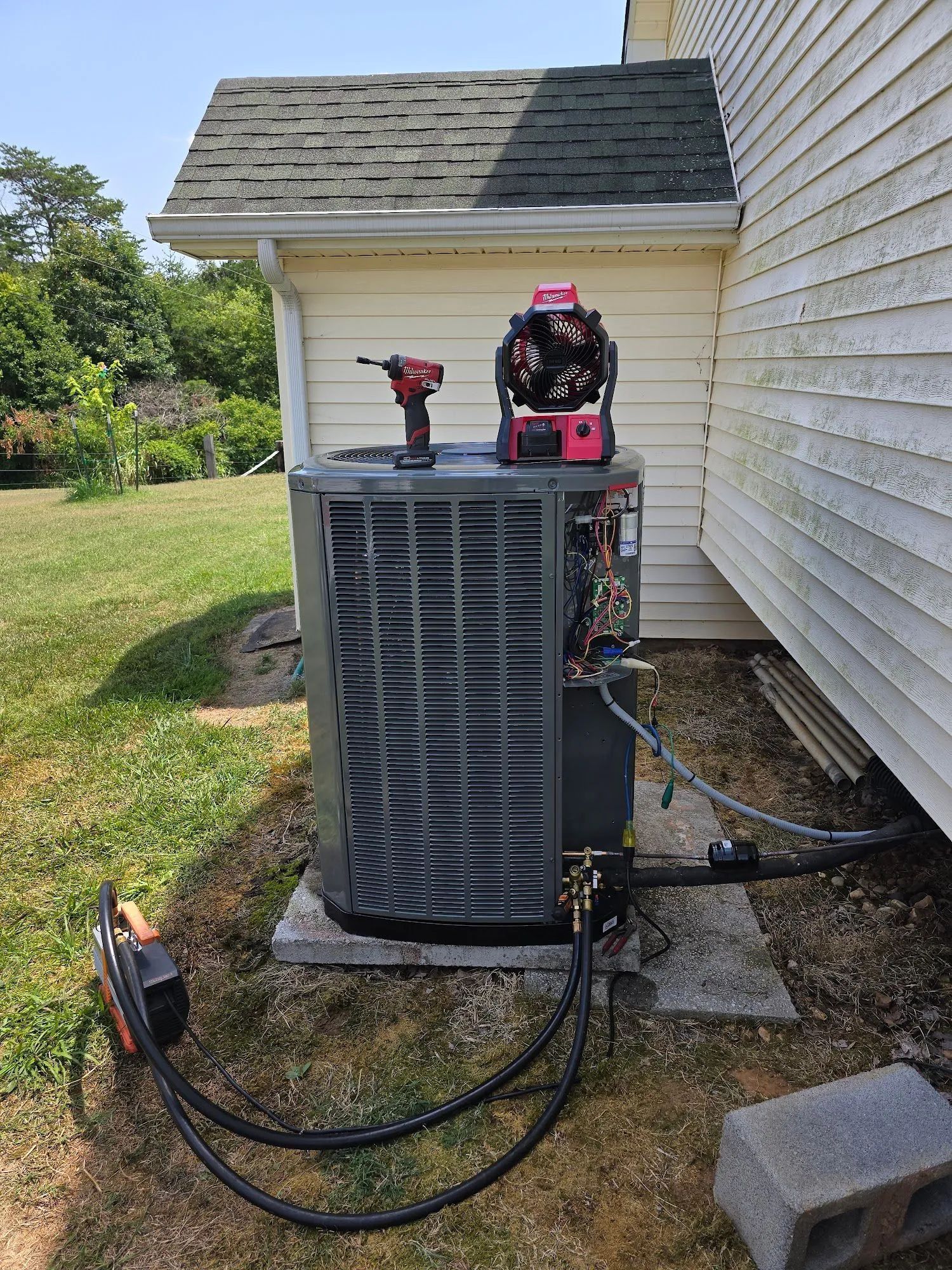
Refrigerant levels are verified using manifold gauges, not estimated. A system running as little as 10 percent low on refrigerant loses a disproportionate share of its cooling capacity and forces the compressor to run hotter than it was designed to handle. Electrical connections are checked and torqued because heat expansion and contraction cycles loosen terminals over time, and a loose connection is responsible for roughly 20 percent of compressor failures we see on residential calls.
The evaporator and condenser coils are inspected and cleaned. In our area, cottonwood seeds in spring and oak pollen in early summer pack into condenser fins quickly, sometimes cutting airflow by 30 to 40 percent within a single season. The condensate drain system is flushed and treated because the combination of humidity and organic material creates algae blockages that will trip a float switch and shut the system down, often on the hottest day of the year.
Blower motor amperage is measured against rated draw, capacitors are tested for microfarad ratings, and contactor surfaces are inspected for pitting. Refrigerant line insulation, duct connections at the air handler, and thermostat calibration are all part of the process.
What a Maintenance Plan Actually Covers and Why Each Item Exists
| What You Are Seeing | Most Likely Cause | Severity | First Step to Take |
|---|---|---|---|
| Weak airflow from all vents | Clogged filter or dirty blower wheel | Medium | Replace filter, then check blower wheel for buildup |
| System runs but house stays warm | Low refrigerant charge or dirty condenser coil | High | Call for service, do not add refrigerant yourself |
| Unit shuts off before reaching set temperature | High limit switch tripping or refrigerant overcharge | High | Check for restricted airflow first, then call for diagnostics |
| Ice forming on the indoor coil | Low airflow or low refrigerant | High | Shut off cooling mode, run fan only to thaw, then call |
| Water pooling near the air handler | Clogged condensate drain line | Medium | Attempt drain flush with wet-dry vac, monitor for recurrence |
| Short cycling every few minutes | Oversized system, low refrigerant, or failing capacitor | Medium to High | Log how frequently it cycles, call for diagnostic |
| High humidity indoors even when cooling | Oversized system not running long enough to dehumidify | Medium | Review system sizing, thermostat settings, and coil condition |
| Unusual noise from outdoor unit | Failing capacitor, debris in fan, or compressor issue | High | Shut off and call for service, do not operate |
| Thermostat readings feel inaccurate | Thermostat calibration drift or poor sensor placement | Low | Verify with a separate thermometer, recalibrate or replace |
| Burning smell on startup | Dust burning off heating elements or electrical issue | Variable | Run briefly with windows open, if smell persists shut off and call |
How We Diagnose HVAC Systems in the Field
On service calls across the Cleveland and Bradley County area, our technicians follow a consistent diagnostic sequence that starts at the thermostat and works outward through the system. We verify the thermostat is reading accurately and communicating properly with the air handler before touching anything mechanical, because a $12 thermostat calibration issue can look exactly like a refrigerant problem to an untrained eye.
At the air handler, we measure static pressure across the system using a manometer. Per ACCA Manual D standards, most residential systems are designed to operate at or below 0.5 inches of water column total external static pressure. We regularly find systems in the 0.8 to 1.1 range, which causes noise, efficiency loss, and premature equipment failure. This reading tells us more about the health of the duct system than almost anything else.
We pull amperage readings on the blower motor and condenser fan motor, check capacitor microfarad values against the rating label tolerance, and inspect the contactor for arc damage. Refrigerant pressure readings are taken only after the system has run long enough to stabilize, because readings taken cold are diagnostically unreliable.
What a Maintenance Plan Prevents Versus What It Cannot
A well-executed maintenance plan eliminates the majority of the failures that show up as emergency calls. Capacitor failures caught during testing before the season starts, condensate drain blockages flushed before the high-humidity months of July and August, and coils cleaned before they restrict airflow enough to cause compressor strain represent the bulk of what preventive service prevents.
What a maintenance plan cannot do is extend the life of equipment that has reached the end of its design lifespan or correct issues that stem from improper original installation, such as an undersized return plenum or a duct system that was never sized correctly. On those systems, maintenance slows the decline but does not reverse the underlying problem.
| Factor | Repair Makes Sense | Replacement Makes Sense |
|---|---|---|
| System age | Under 10 years | 15 years or older |
| Repair scope | Single component failure | Compressor or refrigerant system failure |
| Refrigerant type | R-410A system | R-22 system requiring refrigerant addition |
| Efficiency rating | 14 SEER or higher | Below 13 SEER |
| Repair history | First or second issue | Multiple failures in 18 months |
| Duct condition | Sound and properly sealed | Significantly leaking or undersized |
In Bradley County and the surrounding area, we see a lot of R-22 systems still in operation on older homes. R-22 refrigerant is no longer manufactured domestically, and the supply of recovered refrigerant available for existing systems continues to shrink. If you are still running an R-22 system that needs a refrigerant charge, the conversation about replacement is not a sales pitch. It is a practical reality about where that refrigerant supply is heading.
Prevention and Maintenance Checklist by Frequency
Monthly
Replace or inspect the air filter. For homes with pets or dusty conditions, check every 30 days without exception..
Quarterly
Clear debris from around the outdoor condenser unit, verify all vents are unobstructed, and check the condensate drain access for standing water.
Annually
Schedule a full professional maintenance visit before the start of each major season. In Cleveland's climate, spring before cooling season and fall before heating season are both valuable. Clean the condenser coil, verify refrigerant charge, test all electrical components, and flush the drain line. This is also the time to have your blower wheel cleaned if the system has been in service for more than three years.
Long-Term
Every five years, have the duct system inspected for air sealing and leakage. Duct systems in older homes in this area often leak 25 to 30 percent of conditioned air into unconditioned attic or crawl space before it reaches the living area.
Frequently Asked Questions
How often should an HVAC system be serviced in Tennessee's climate?
Twice per year is the standard recommendation for Bradley County homes. Service before cooling season addresses the components that take the most stress during summer, and a fall visit prepares the heating system for winter demand before temperatures drop enough to cause a real problem.
What happens if I skip a maintenance visit for one year?
Efficiency typically drops 5 to 10 percent annually without cleaning and calibration. Skipping one visit rarely causes an immediate failure, but deferred maintenance compounds. Two or three consecutive years without service on a coil or drain system creates conditions that lead to emergency failures.
Is a maintenance plan worth it if my system is newer?
Yes, and in some cases a manufacturer's warranty requires documented annual service to remain valid. A new system with neglected maintenance can develop coil fouling, loose electrical connections, and drain issues within three to five years regardless of age.
Can I perform HVAC maintenance myself safely?
Filter changes, drain line flushing, and coil fin straightening are tasks most homeowners can handle safely. Refrigerant testing, electrical component testing, and anything involving the refrigerant circuit requires an EPA 608 certified technician. Attempting refrigerant work without certification is a federal violation, not just a safety concern.
Why does my system freeze up in summer even when it is hot outside?
A frozen evaporator coil in summer almost always comes from restricted airflow, a low refrigerant charge, or both. The coil temperature drops below 32 degrees when the refrigerant is not absorbing heat properly, and condensation freezes on contact. Shut the system to fan-only mode to thaw the coil, then call for a diagnostic before running it again.
Proven HVAC Service Cleveland Tennessee Homeowners Count On
A professional maintenance plan is the difference between an
HVAC system
that performs reliably through Cleveland's summer heat and one that forces you into an emergency call at the worst possible time. Bradley County's humidity, pollen, and temperature swings accelerate the wear on components that regular service catches before they fail. Day's Heating & Air LLC
serves homeowners throughout Cleveland, Chattanooga, Athens, Dayton, and the surrounding Bradley and McMinn County communities. With 27
years of field experience in this specific climate, we know what these systems need and when they need it.