What to Do When Your HVAC Fails: A Quick Guide to Emergency Repairs
May 12, 2026
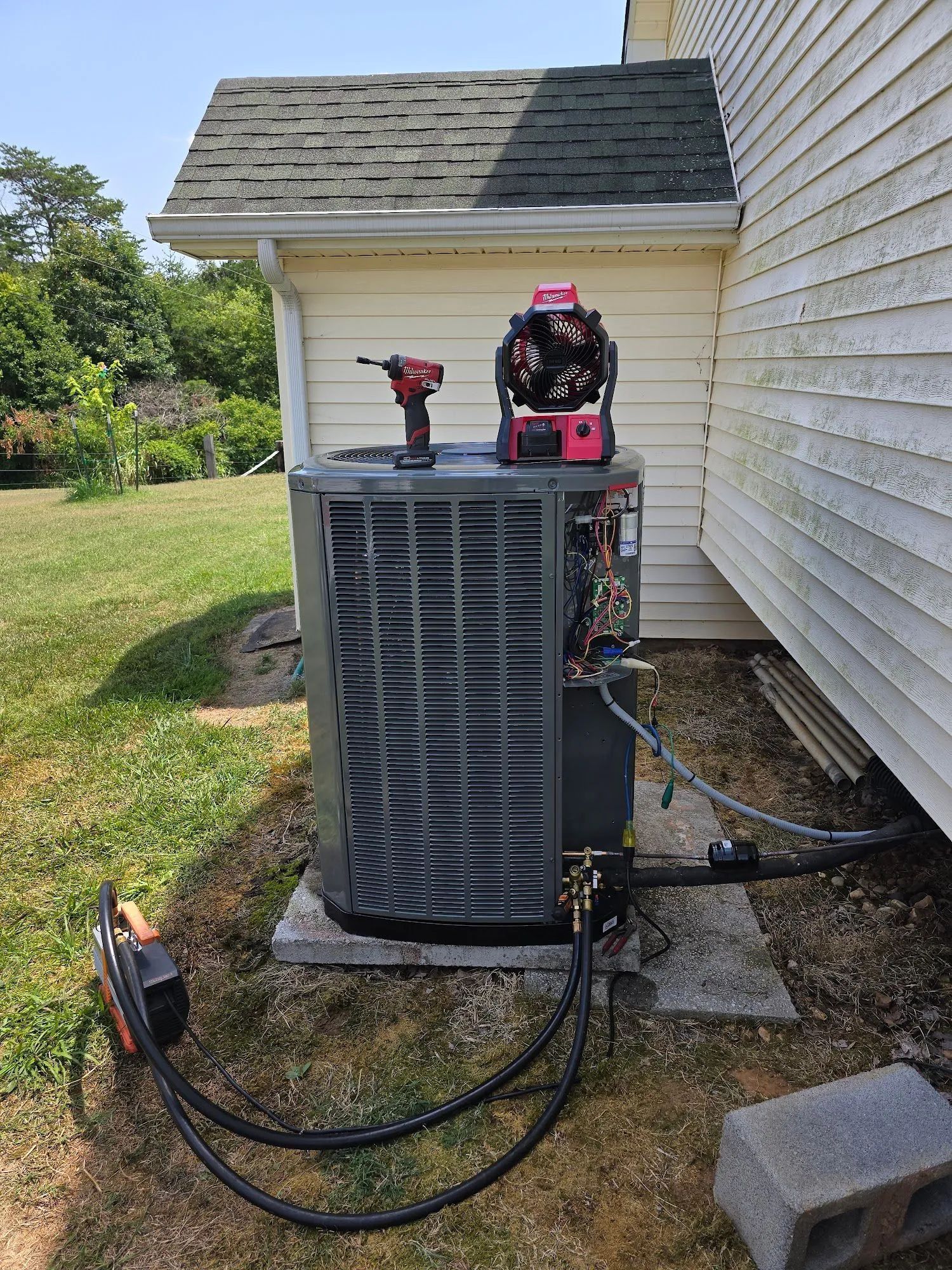
Few household problems create immediate discomfort and stress as quickly as a sudden HVAC system failure. Whether the air conditioner stops during extreme summer heat or the furnace fails on a freezing winter night, homeowners often face rising indoor temperatures, poor air circulation, and growing concerns about safety and repair costs. HVAC systems are essential for maintaining indoor comfort, protecting air quality, and supporting energy efficiency throughout the year. When these systems break down unexpectedly, knowing how to respond can help minimize property damage, restore comfort faster, and prevent small mechanical problems from turning into expensive emergencies.
Emergency HVAC situations are becoming increasingly common as aging equipment, heavy seasonal demand, clogged components, and neglected maintenance place added pressure on residential systems. Quick action during a malfunction can make a significant difference in preventing further damage to compressors, motors, electrical components, and ductwork. Understanding the warning signs, troubleshooting steps, and repair priorities helps homeowners stay prepared during critical situations. This guide explains what to do when an HVAC system fails, outlines practical emergency repair strategies, and highlights the importance of timely professional service to keep heating and cooling equipment operating safely and efficiently.
Recognizing Early Warning Signs of HVAC Failure
Unusual Sounds and Reduced Airflow
Most HVAC systems show early warning signals before a complete breakdown occurs. Grinding, rattling, buzzing, or screeching sounds often indicate mechanical wear, loose parts, or motor issues. These noises should never be ignored, as they typically point to internal stress within the system.
Weak or inconsistent airflow is another major warning sign. When air pressure drops at vents, the cause may be clogged filters, failing blower motors, or obstructed ductwork. Identifying these issues early helps prevent system overload and reduces the risk of emergency failure.
Temperature Fluctuations and Short Cycling
Uneven temperatures across rooms often indicate airflow imbalance, thermostat malfunction, or refrigerant issues. If some areas feel significantly warmer or cooler than others, the HVAC system may be struggling to regulate properly.
Short cycling is another critical symptom where the system turns on and off frequently without completing full heating or cooling cycles. This behavior increases wear on internal components and reduces system efficiency, often leading to sudden breakdowns during peak usage.
Rising Energy Bills Without Usage Changes
Unexpected spikes in energy consumption often signal hidden HVAC inefficiencies. When systems work harder to achieve the same temperature levels, energy usage increases significantly. Dirty coils, aging components, or refrigerant leaks are common causes of declining efficiency.
Monitoring energy bills provides valuable insight into system health. Gradual increases may indicate maintenance needs, while sudden spikes often suggest urgent repair requirements.
Immediate Actions During an HVAC Emergency
Check Thermostat and Power Supply
Before assuming full system failure, checking the thermostat is essential. Incorrect settings, dead batteries, or calibration issues can prevent proper operation. Switching modes or replacing batteries may restore functionality quickly.
Electrical supply issues should also be inspected. A tripped circuit breaker or disconnected switch can shut down the system entirely. However, repeated breaker trips indicate deeper electrical faults requiring professional inspection.
Replace or Clean Air Filters
Clogged air filters restrict airflow and force the HVAC system to operate under stress. This can lead to overheating, frozen coils, or reduced heating and cooling capacity.
Replacing air filters is one of the simplest yet most effective emergency troubleshooting steps. Clean filters restore airflow and help stabilize system performance almost immediately.
Inspect Outdoor Unit for Blockages
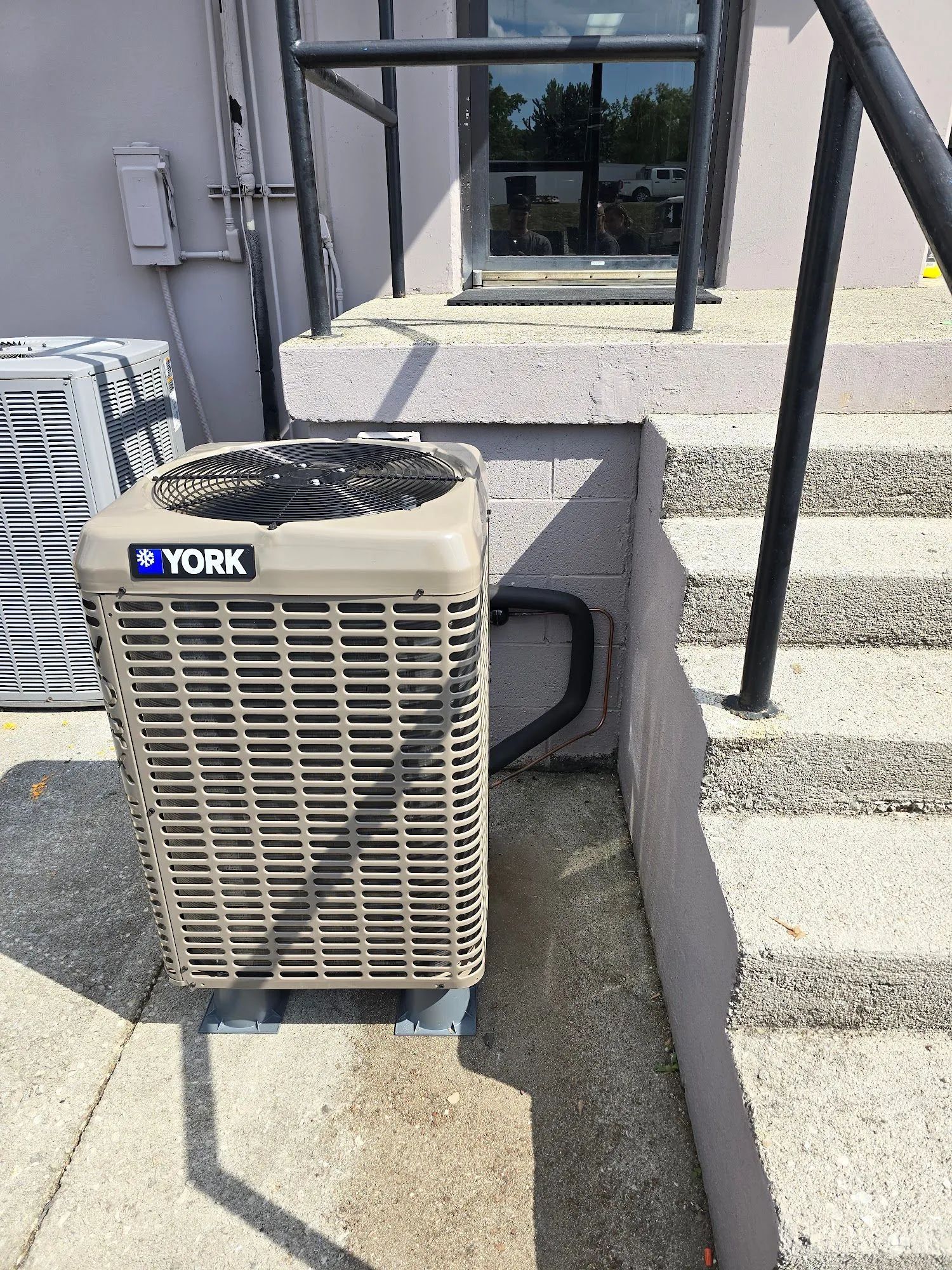
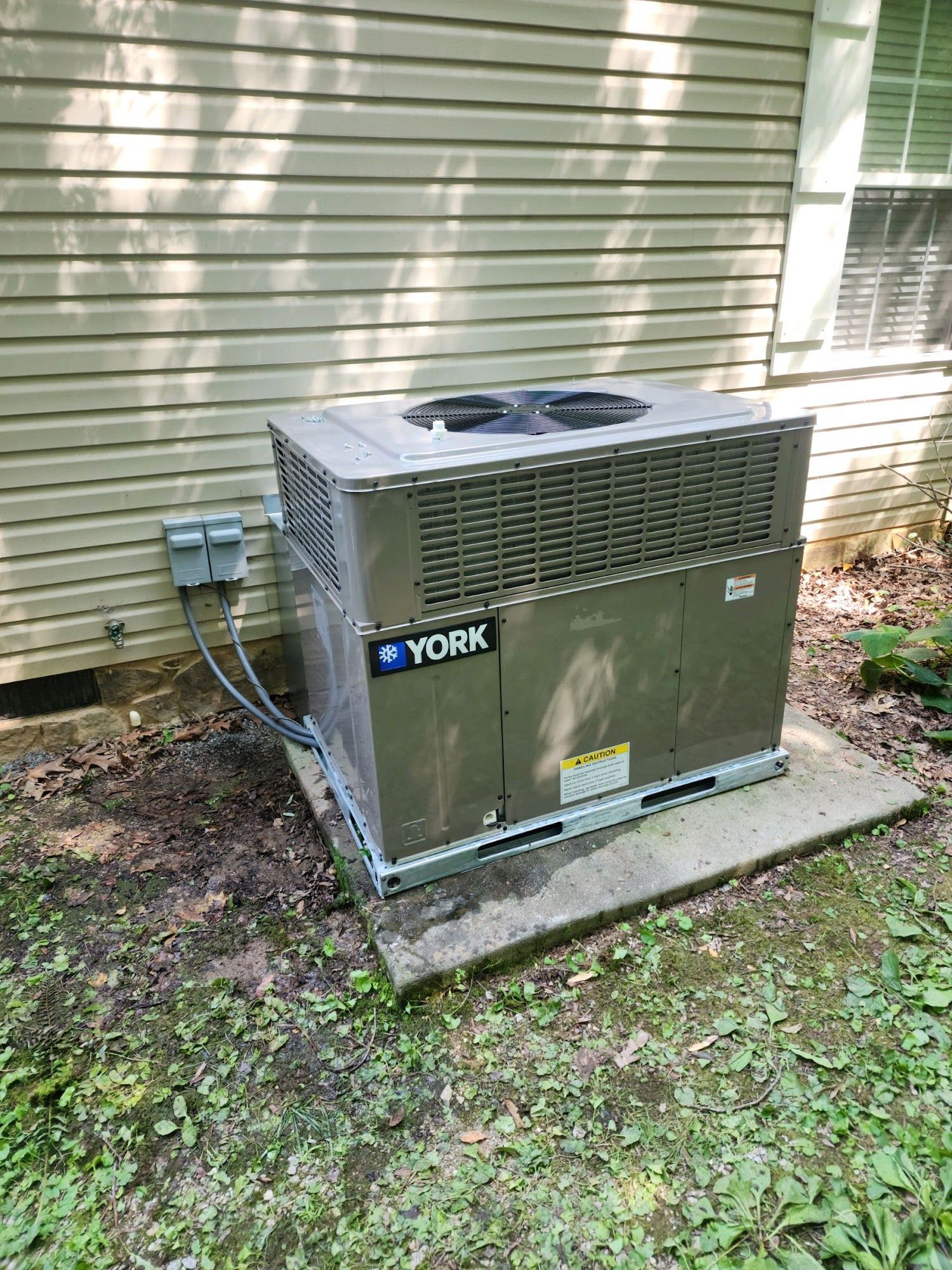
Outdoor condenser units require proper ventilation to function efficiently. Dirt, leaves, debris, or vegetation can block airflow and cause overheating.
Carefully clearing visible obstructions around the unit can improve performance temporarily. However, internal cleaning or repairs should always be handled by trained professionals.
Shut Down System When Severe Issues Appear
Certain warning signs require immediate system shutdown. Burning smells, smoke, loud metal noises, or electrical sparks indicate serious hazards.
Continuing operation in these conditions can cause irreversible damage or safety risks. Turning off the system helps prevent further complications until emergency repairs are completed.
Common HVAC Emergencies and Their Causes
Refrigerant Leaks and Coil Freezing
Refrigerant is essential for cooling performance. When levels drop due to leaks, the system loses efficiency and may cause evaporator coils to freeze.
Frozen coils restrict airflow and can lead to compressor failure if ignored. This issue requires professional leak detection and proper refrigerant recharge to restore performance safely.
Electrical Failures and Component Breakdown
Electrical issues are among the most disruptive HVAC emergencies. Faulty capacitors, damaged wiring, or failing control boards can cause complete system shutdowns.
These problems often occur due to aging components or power fluctuations. Because of safety risks, electrical HVAC repairs must be handled by qualified technicians.
Furnace Ignition Problems
Heating system failures can be particularly dangerous during cold weather. Issues such as faulty ignition systems, dirty flame sensors, or gas valve malfunctions can prevent proper heating.
Warning signs include cold air from vents, repeated ignition attempts, or unusual gas odors. Immediate professional attention is critical to ensure safe operation.
Clogged Drain Lines and Water Leaks
HVAC systems produce condensation during operation, which drains through a dedicated line. When this line becomes clogged, water may back up into the system or surrounding areas.
This can lead to water damage, mold growth, and reduced system efficiency. Regular maintenance helps prevent these issues from escalating into emergencies.
Temporary Solutions While Waiting for Repairs
Maintain Indoor Comfort Safely
Protect Vulnerable Individuals
Extreme indoor temperatures pose health risks for children, elderly individuals, and those with medical conditions. Temporary relocation may be necessary until repairs are completed.
Pets should also be kept in temperature-controlled environments to avoid heat or cold stress during HVAC outages.
Avoid Actions That May Worsen Damage
Repeatedly restarting a failing HVAC system can increase internal damage. If the system shows persistent issues, keeping it off prevents further strain on components.
Avoid DIY repairs involving refrigerant, gas lines, or electrical systems, as these require professional tools and expertise.
Record System Behavior for Technicians
Documenting symptoms such as unusual sounds, odors, or airflow patterns helps technicians diagnose problems more efficiently.
Noting when issues started and whether they occur intermittently improves repair accuracy and reduces service time.
Importance of Preventive Maintenance
Regular Inspections Prevent Emergencies
Scheduled HVAC maintenance helps identify potential failures before they occur. Inspections allow early detection of worn components, airflow restrictions, and electrical issues.
Preventive care reduces emergency breakdowns and improves overall system reliability during peak seasons.
Cleaning Improves Efficiency
Dust and debris buildup reduce airflow and strain system components. Cleaning coils, fans, and filters ensures efficient heat transfer and consistent performance.
Well-maintained systems operate more smoothly and consume less energy over time.
Calibration and Performance Testing
Thermostat calibration ensures accurate temperature control, while system testing verifies refrigerant levels, airflow balance, and electrical safety.
These steps help maintain consistent operation and reduce unexpected failures.
Long-Term Cost Benefits
Preventive maintenance reduces repair costs, improves energy efficiency, and extends equipment lifespan. Regular servicing helps avoid expensive emergency replacements.
Choosing Reliable Emergency HVAC Support
Fast Response Matters
During HVAC emergencies, quick response times are essential. Reliable service ensures system issues are addressed before they worsen.
Timely repairs restore comfort faster and prevent additional equipment damage.
Certified and Experienced Technicians
HVAC systems require technical expertise to diagnose and repair safely. Certified professionals ensure repairs meet industry standards and safety guidelines.
Experience also improves diagnostic accuracy and reduces repeat issues.
Transparent Communication
Clear explanations of system problems, repair options, and pricing help homeowners make informed decisions during emergencies.
Transparency builds trust and ensures no unexpected costs arise during repairs.
Value of Ongoing Service Relationships
Establishing a long-term HVAC service relationship improves system reliability. Technicians familiar with system history can diagnose issues faster and recommend better maintenance strategies.
Dependable Emergency Repairs From Skilled HVAC Specialists
HVAC system failures can happen unexpectedly, often during extreme weather conditions when indoor comfort is most critical. Recognizing early warning signs, taking immediate corrective actions, and understanding common emergency causes can significantly reduce system damage and repair costs. Simple steps such as checking thermostats, replacing filters, and shutting down unsafe systems can help stabilize conditions until professional help arrives. Preventive maintenance plays a key role in reducing emergency breakdowns. Regular inspections, cleaning, and system calibration improve efficiency, enhance reliability, and extend equipment lifespan. Choosing qualified HVAC professionals ensures safe, accurate, and long-lasting repair solutions.
Day's Heating & Air LLC
provides dependable HVAC support backed by over 27
years of hands-on industry experience. Based in Cleveland, Tennessee, we specialize in delivering reliable emergency repairs, preventive maintenance, and complete heating and cooling solutions. Our approach focuses on accurate diagnostics, efficient service, and long-term system performance. We understand how critical indoor comfort is during HVAC failures, which is why we respond with urgency, professionalism, and technical precision. Our commitment is centered on restoring comfort quickly while ensuring every system operates safely and efficiently. We take pride in offering trusted HVAC solutions that help homeowners maintain consistent indoor environments throughout every season.