How Regular Heating Maintenance Prevents Costly Breakdowns During Winter
December 26, 2025
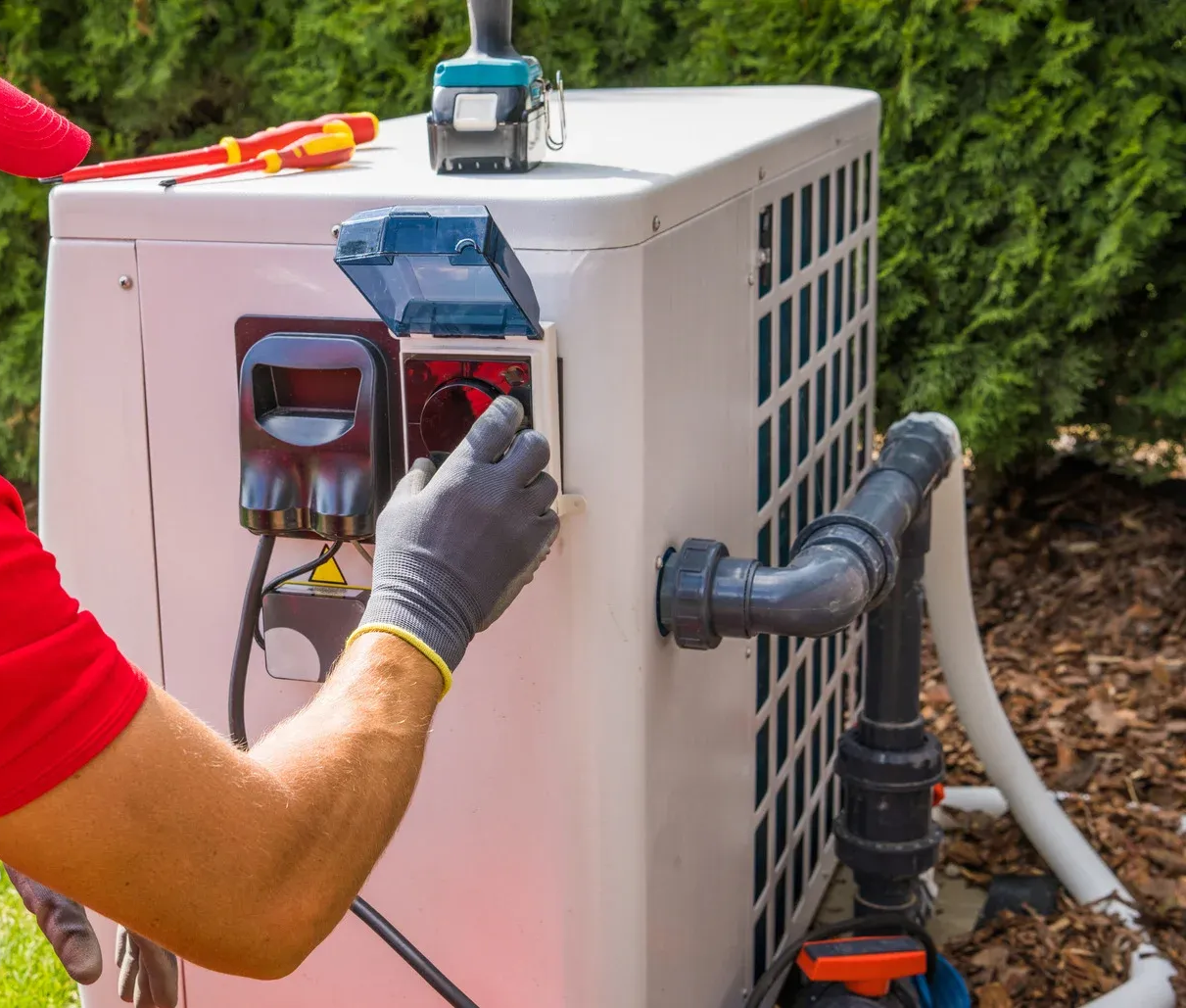
Winter brings its own set of challenges, especially when it comes to keeping homes warm and comfortable. A sudden heating system failure on a frigid morning can disrupt daily life, damage property, and lead to costly emergency repairs. Many homeowners underestimate the importance of proactive heating maintenance, assuming that systems will operate efficiently until they break down. However, this reactive approach often results in unexpected inconveniences and higher repair costs. Regular maintenance is not just about ensuring warmth—it’s a preventive strategy that safeguards your home and your wallet. By addressing minor issues before they escalate, you can avoid the stress and financial burden of sudden breakdowns during peak winter months.
Understanding how heating systems function and the common causes of winter failures highlights why routine maintenance is critical. From dirty filters and worn-out components to complex mechanical or electrical issues, a small oversight can snowball into major system failures. Implementing a structured maintenance schedule ensures efficiency, reliability, and longevity of your heating system, giving you peace of mind throughout the season. This blog explores actionable strategies, benefits, and expert insights to help homeowners prevent costly heating breakdowns through regular maintenance.
1. Understanding the Importance of Preventive Heating Maintenance
How Heating Systems Work
A heating system, whether it’s a furnace, boiler, or heat pump, operates through a series of interconnected components. Furnaces use combustion to generate heat, distributing it through ductwork, while boilers heat water for radiators or underfloor heating systems. Heat pumps, on the other hand, transfer heat from outside air or the ground into the home. Each system relies on mechanical, electrical, and safety components working in harmony. A minor malfunction in any part—such as a clogged filter, worn belts, or malfunctioning thermostat—can reduce efficiency or cause complete system failure.
Common Causes of Winter Breakdowns
During winter, heating systems are under constant demand, increasing the risk of failures. Dust accumulation, neglected filters, and worn-out mechanical components are frequent culprits. Electrical failures, thermostat malfunctions, and blocked vents can also compromise performance. Ignoring small warning signs, such as unusual noises or inconsistent heating, often leads to expensive repairs or full system replacement. Regular preventive maintenance identifies these issues early, ensuring that minor problems do not escalate into major breakdowns during peak usage.
2. Key Components of Effective Heating Maintenance
Routine Inspection and Cleaning
One of the foundational steps in preventive maintenance is a thorough system inspection. Professional technicians check for signs of wear and tear, corrosion, and loose connections. Cleaning essential components—such as burners, coils, and fans—prevents debris from impeding operation. A clean system functions more efficiently, reducing energy consumption and extending equipment lifespan. For homeowners, changing filters monthly or as recommended by the manufacturer is a simple yet effective maintenance task that supports optimal airflow and system health.
Lubrication and Mechanical Adjustments
Heating systems involve moving parts that require proper lubrication to avoid friction and premature wear. Motors, bearings, and fan assemblies need periodic attention to ensure smooth operation. A technician can also adjust belts and pulleys, calibrate burners, and inspect the heat exchanger to maintain efficiency. Neglecting these steps often results in increased noise, energy inefficiency, and potential mechanical failures that become expensive to repair during winter emergencies.
Electrical System Checks
Modern heating systems rely heavily on electrical components, including control boards, thermostats, wiring, and safety switches. Regular electrical inspections detect loose connections, burnt wires, or faulty sensors before they cause system shutdowns. In colder months, electrical failures are common due to higher loads, making preventive checks vital. A properly maintained electrical system ensures consistent operation, improves safety, and reduces the risk of fire hazards associated with malfunctioning heating equipment.
3. Benefits of Regular Heating Maintenance
Energy Efficiency and Cost Savings
A well-maintained heating system operates at peak efficiency, consuming less energy while delivering consistent warmth. Dirty filters, clogged vents, and neglected components force the system to work harder, leading to higher utility bills. Preventive maintenance restores efficiency, translating into measurable cost savings over the winter season. Homeowners can expect improved airflow, balanced temperatures, and reduced wear on system components, all of which contribute to long-term financial benefits.
Extended Equipment Lifespan
Heating systems represent a significant investment, and replacing them prematurely is costly. Regular maintenance slows the natural wear of components and prevents minor issues from escalating. A furnace or heat pump that receives professional attention annually can last years longer than one that is neglected. By extending the operational lifespan of the system, homeowners avoid expensive early replacements and ensure reliable comfort season after season.
Reduced Risk of Emergency Repairs
Emergency repairs are often the most expensive and stressful consequence of a heating system breakdown. A malfunctioning furnace in the middle of a freezing night can cause discomfort, frozen pipes, and property damage. Routine maintenance mitigates this risk by identifying potential failures before they occur. Technicians can replace worn parts, adjust system settings, and perform necessary calibrations, reducing the likelihood of unexpected disruptions during the harshest winter months.
4. Practical Heating Maintenance Best Practices
DIY Maintenance Tasks
While professional service is essential, homeowners can perform simple maintenance tasks to support system health. Replacing or cleaning filters monthly, checking for obstructions around vents and registers, and ensuring proper thermostat settings are easy steps that enhance efficiency. Homeowners should also inspect visible ducts and pipes for leaks or damage and ensure that exterior vents are free from snow and debris. These small tasks complement professional maintenance and improve overall system performance.
Documentation and Monitoring
Maintaining records of service history, repairs, and part replacements is crucial for proactive heating management. Documentation helps technicians identify recurring issues and ensures that preventive measures are consistently applied. Additionally, monitoring system performance—such as unusual noises, temperature inconsistencies, or higher energy bills—can alert homeowners to potential problems. Early detection allows for timely intervention, avoiding costly breakdowns in the middle of winter.
5. Real-World Scenarios Highlighting the Need for Maintenance
Case Study 1: Prevented Furnace Failure
A Cleveland homeowner scheduled a routine inspection in early October. Technicians discovered a cracked heat exchanger, which, if left unattended, could have led to a total furnace failure in the dead of winter. Timely replacement of the part ensured uninterrupted heating throughout the season, avoiding emergency repair costs exceeding $1,200.
Case Study 2: Avoiding Inefficient Heating
Another household reported uneven heat distribution and high utility bills. During preventive maintenance, a technician found clogged ducts and a dirty blower motor. Cleaning and adjustments improved airflow and restored efficiency, cutting energy costs by nearly 20% over the winter months. These examples demonstrate how proactive maintenance addresses both performance and financial concerns, preventing minor issues from escalating.
6. Challenges and Solutions in Heating Maintenance
Common Challenges
Homeowners often face obstacles such as scheduling conflicts, budget concerns, and lack of technical knowledge. Some may underestimate the importance of maintenance or delay service until issues become urgent. Additionally, older systems may require specialized attention, making maintenance more complex.
Effective Solutions
Planning maintenance well before winter, budgeting for annual service, and selecting certified technicians are practical solutions. Professional service providers often offer maintenance plans that include inspections, tune-ups, and emergency support. These programs reduce uncertainty, ensure timely intervention, and provide peace of mind during the coldest months. Educating homeowners about the long-term benefits of preventive care also encourages consistent upkeep and reduces the likelihood of unexpected breakdowns.
Reliable Heating Maintenance from Experienced Industry Experts
Preventive heating maintenance is a vital strategy for avoiding costly breakdowns during winter. By understanding system components, addressing common causes of failure, and implementing routine inspections, homeowners can ensure efficiency, reliability, and safety. Regular maintenance enhances energy performance, extends equipment lifespan, and reduces the financial and emotional burden of emergency repairs. Simple proactive steps, coupled with professional service, create a robust defense against winter heating challenges.
At Day's Heating & Air LLC
in Cleveland, Tennessee, we bring over 27
years of experience in ensuring homes remain warm, safe, and efficient during the coldest months. Our team of skilled technicians specializes in comprehensive heating system inspections, preventive maintenance, and timely repairs, delivering reliable solutions tailored to each household. We prioritize transparency, efficiency, and long-term performance, helping clients prevent unexpected breakdowns while maximizing energy efficiency. Trust Day's Heating & Air LLC
to keep your home comfortable and your heating system running smoothly, backed by decades of industry expertise and a commitment to exceptional service.